Essay 03 / The choices inside survival
Conservation and Restoration
An aircraft that looks new may have lost old evidence. An aircraft that looks worn may be carefully conserved. Appearance alone cannot tell us which decisions were made.
Define the aim before judging the result
Preservation discussions often begin with a photograph: a corroded wreck before treatment, a gleaming aircraft afterward. The contrast is dramatic, but it conceals the central question. What was the treatment intended to preserve? A project might prioritize surviving material, a historically documented appearance, structural stability, public understanding or continued operation. Those aims can overlap, yet they can also compete.
Conservation is not simply leaving an object alone. It includes examination, documentation, preventive care and, where justified, treatment. Restoration generally seeks to recover aspects of an earlier appearance or state. Reconstruction supplies missing elements, sometimes on a large scale. Institutions use these terms in somewhat different ways, so a clear account of what was actually done is more informative than a reassuring label.
Old material is not all the same age
An aircraft’s fabric can contain several authentic periods. A factory-installed fitting, a wartime repair and a later service modification may all be historically significant. Returning the aircraft to a chosen date can require removing evidence of another date. There is no universal rule that the first configuration deserves priority over every subsequent one. The object’s significance and the collection’s purpose must inform that decision.
This is why examination and recording come before major intervention. Paint layers, wear patterns, fasteners and repair boundaries may answer questions that a fresh finish would obscure. Documentation cannot fully replace the material it records, but it can preserve information about a necessary intervention. A treatment report should make later researchers less dependent on guessing from the finished exhibit.
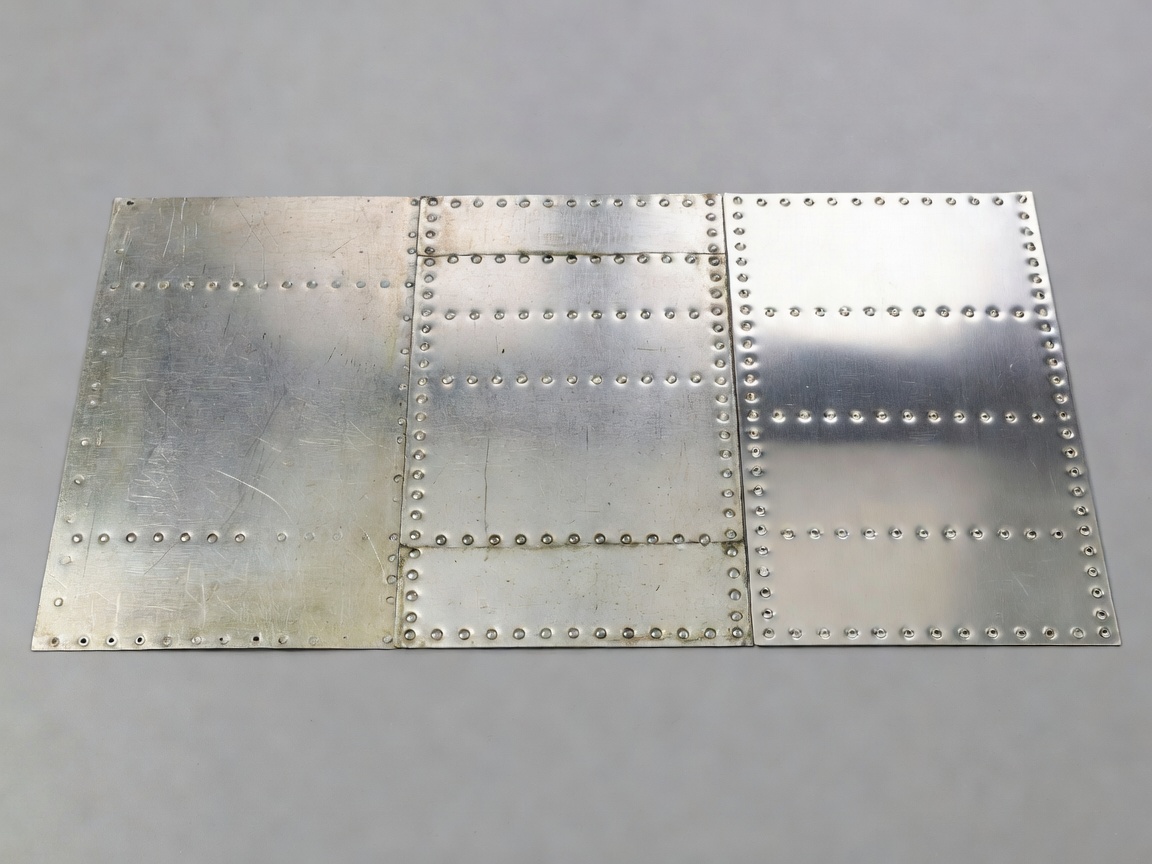
Three approaches, three kinds of evidence
Stabilize and retain
Keep significant surviving material where possible. The result may retain wear, incomplete surfaces or visible damage.
Restore an appearance
Use evidence to present a selected historical state. Replacement and refinishing should be documented and explained.
Operate or demonstrate
Preserve aspects of use and skilled practice. Safety and regulation may require substantial departures from old material.
These approaches are not a ranking from virtuous to careless. Each can be responsible when its purpose, limits and consequences are explicit. Problems arise when a visually complete restoration is described as untouched, or when an operational rebuild is treated as a complete material record of its first service life. Clear language allows visitors to appreciate what has been achieved without misunderstanding what survives.
Flying preserves something—and consumes something
The Shuttleworth Collection at Old Warden demonstrates why operation can be historically powerful. Movement, engine sound, ground handling and the coordination of trained people communicate things that a static exhibit cannot. These are forms of knowledge, not merely entertainment. Nevertheless, flight subjects machinery to wear and risk, and maintaining airworthiness can require replacement parts, inspections and changes that a static conservation project would approach differently.
A non-flying aircraft can preserve vulnerable evidence that operation would endanger. A flying example can preserve practices that a silent original cannot demonstrate. Comparing the two is more useful than declaring either inherently more authentic. The important questions are which values are being preserved, what has been sacrificed, and whether the institution tells the public about those trade-offs.
Preventive care rarely looks spectacular
The daily work of preservation often concerns surroundings rather than dramatic reconstruction. Storage, handling, supports, water ingress, dust, pests and environmental conditions all affect long-term survival. Aircraft combine metals, wood, textiles, rubber, plastics and coatings, so a favorable condition for one component may not solve the problems of another. Outdoor display adds further exposure and maintenance demands.
The National Park Service’s Museum Handbook is a useful introduction to the breadth of collection care, while the Canadian Conservation Institute provides public conservation guidance across many material categories. Neither should be reduced to a universal recipe for treating an aircraft. Historic machines may also contain hazardous substances or systems. Examination and intervention belong with appropriately qualified people working under the institution’s procedures.
Ask for the treatment story
A visitor can evaluate a display without prescribing its conservation. Ask whether the museum identifies replacement material, explains its chosen period and retains treatment records. Ask whether uncertainty is acknowledged. “Reversible” should not be taken as a promise that every action can be perfectly undone; removing corrosion, stripping a coating or cutting damaged material can have permanent consequences.
The strongest projects leave a readable account of their decisions. They explain why one surface was retained and another replaced, why an engine is absent, or why a machine will never fly again. Such explanations turn conservation from an invisible backstage activity into part of the aircraft’s history. The survivor is not less compelling because it has been cared for. It becomes more compelling when that care is honestly described.